Skip to tl;dr
During our evening walks, Tina and I frequently discuss coaching decisions, training concepts, workouts, etc. both for ourselves and the individuals she coaches. A discussion that came up last night was when an athlete should use a coach versus joining a training group (ala Winter BaseCamp) versus just having a training plan.
In some cases, it is crystal clear. If you are an Olympic hopeful or someone who frequently podiums at top races, it is an incredible time and energy saver for someone else to build your workouts, review your data, process your feedback, and make adjustments on a regular cadence. All you have to do is implement their plan, provide feedback, and focus on the actual training and recovery. When you are training 20+ hours a week, the value of a coach is high. They are also likely to be well informed on the recent research into training and recovery, which is handy as exercise physiology is a complex science and there is plenty of bullshit out there.
For someone starting out, a simple training plan makes sense. It is incredibly cost effective compared to a coach. You can also get a feel for what structured training feels like (hint: it's not all fun and games). And you are more likely to see overall improvements without personalized adjustments since you will be a relative beginner to the process. As you get fitter and fitter, your training and recovery will get more structured to better match your physiology and goals.
For everyone else, it depends. And it mostly depends on you. Where are you as an athlete? How much time and energy to you want to spend on training? What are your goals both short and long term? Are you willing to do the work? And not just the work of being on the bike but the rest, recovery, eating, maintenance, paying for things, and so much more. There is a nice long spectrum for the types of athletes out there and you need to figure out where you are and where you want to be, as well as how much you want it.
Motivation and Discipline
While mulling it over with Tina, I think the two most important things you need to evaulate when you consider whether to hire a coach is your personal discipline and your ability to stay motivated. Structured training is definitely challenging. Even more so when you consider all of the daily stresses that will eat up your time and energy reserves. Barely a week goes by when I do not daydream about sitting on the couch and reading a book instead of going out and doing a hard two hour workout on the bike. Will skipping one workout really hurt? No. But consistency is absolutely key to improving, so you need to find that motivation to stick to your training and the discipline to do the workouts as prescribed.
Personally, I am internally motivated. I do not need a cheerleader or overseer. In fact, I dislike being cheered on during races and prefer silence during hard efforts. When it comes to disciplined training, I have made the decision that I want to improve as a cyclist. As long as I have a workout scheduled, I do it. Simple as that, very logical.
Solely relying on internal motivation is pretty rare though. Many people, nay most people, really need some manner of external motivation as well. Social motivation in the form of riding with friends or teammates is frequently one. Achievement-based motivation in the form of a race goal is another. And then having accountablity to someone who is tracking and reviewing your progress, like a coach, is one too.
And then there is discipline. Training plans and coaches structure training to get the best proverbial bang for your buck. Sports science has evolved quite a bit in the last few decades and the science of bicycle training is an entire discipline itself, with its own bible. For example, one should not solely do hard intervals every day of the week. One should also not just aim to do as many hours in the saddle as possible either.
With a coach or training plan, workouts are planned and structured to optimally stimulate your body to get certain results base on your current fitness, physiology, and goals. You need to understand and accept this so that you can find the discipline to follow your plan, even when its really hard or really easy, instead of just doing whatever you want. If you're training for a 142 mile gravel race, your plan may have you doing a long day of endurance, which means you need to skip that all out group ride with friends. If you don't have that discipline or are unwilling to make that choice, then a coach is not going to be much use to you.
Static Plan vs Coach
However, one of the advantages of having a coach versus a static training plan is that a coach can restructure your training plan to allow for days where you are riding with friends or working on skills instead of fitness. If you're traveling and will not have your bike with you for a few days, then the flow of your training plan can be adjusted my your couch to make that a rest week. Flexibliity and adapatability is a key feature of having a coach. They have the experience and ability to take a wider view of your training to make these adjustments.
And, let's be honest, life gets in the way of training at times. If you have a particularly hard week at work or did not have a good night of sleep, your ability to train is affected. You may be unable to really push power on your intervals or do a long endurance ride without being completely wiped. A coach will get that information from you and can modify your future workouts to get you back on track. It has surprised me how many serious athletes still do not understand how important rest is and will not skip a single workout and, in fact, will push harder after they've been sick. Having a coach who you trust and tells you to sit your ass on the couch is super helpful.
A static training plan that you buy online has no ability to adjust to your changing circumstances. It is more or less set in stone. However, if you have been training for a few years and you feel you have enough knowledge and experience, you can use it as a starting point and make your own modifications as needed. Assuming nothing really goes off the rails and your life is pretty stable, this will work for many well trained individuals. Will you get the absolutely most from your training? Maybe not, but for many athletes this approach is sufficient for their goals. I think this is a perfectly fine way to train, but it does require a certain amount of detachment and discipline when listening to your body.
Everything Else
Assuming you are on board with the disicpline and motivational aspects, what else should you consider when deciding on getting a coach?
Cost. Hiring a coach costs money. While you may spend only $150 for a season-long training plan, a good coach will cost at least $250 a month. Consider though that a good coach will be spending hours a month building your workouts, reviewing your feedback, meeting with you, and making regular adjustments. They likely have been doing this for a number of years and are experienced cyclists themselves, so you are paying both for their time and their expertise. If you are serious about your training, it is a solid value.
Time and Energy. If you hire a coach, you are committing to your training. And once you have committed yourself to training, it will become a significant focus in your life. You are essentially moving up to the next level of cycling and there is a time and energy cost. If your coach has you on the bike for 10 hours a week, that is just the beginning of your time and energy expenditure. You need to get ready to get on the bike (dressing, water, snacks), clean the bike and maintain it, recover from your rides (shower, eating, massage), and then provide feedback to your coach on your workouts. 10 hours on the bike can easily mean 5+ hours of time spent on tasks off the bike. Don't underestimate that affect on your life.
Benefits. You're going to learn a lot from being coached. They should be providing knowledge and feedback to you on a regular basis. Structure and consistency are the requirements for cycling achievement and coaching provides it. Our bodies take time to adapt, but in a couple months your cycling game is going to go up a couple notches. You have to trust the process and be patient, but training works.
All About Moi
My first structured training on the bike began in April 2021 with a purchased training plan focused on Everesting. Previous to this, I took what I knew from ultrarunning and simply applied it to bicycling doing my own, unstructured workouts. Lots of long bike rides exploring the Boulder roads and doing hard work up hills with regular rest days. You can get pretty far on your own by having a firm understanding of fueling and periodization training.
Once I decided to Everest, I knew it required more structured workouts so I started with a training plan as it seemed the easiest and cheapest given my experience-level. After my Everest attempt, I signed up to join Tina in doing the Queen's Stage Race at Rebecca's Private Idaho. That was a multi-day stage event, so I made the decision to join the RPI BaseCamp training program to continue my growth and development as a "serious" cyclist. BaseCamp is an in-between step between a training plan and a personal coach. You get a semi-personalized training plan based on your available time and goals, but then you are also part of a large group of cyclists who are mentored by a small group of coaches. I bought a power meter, got a bike computer, and learned quite a bit during the summer of 2021.
After a reasonably successful RPI and with no end in sight for the pandemic, I kept my focus on cycling and in November I joined the Winter BaseCamp training group. Like the RPI BaseCamp, you get a semi-personalized training plan and join the group for 4 months of training with a group of coaches helping you learn and grow more as a cyclist. Near the end of BaseCamp, my aspirations had grown enough that I hired a coach and we worked together for the entire Spring, Summer, and Fall of 2022.
I found having a coach valuable but ultimately not for me. As I said before, I do not suffer from a lack of motivation or discipline once I commit myself to something. Also, I am not one who really needs a cheerleader or much in the way of positive feedback. Further, as someone who got a degree in Philosophy and works as a programmer, I found it tiring providing written feedback on workouts. It either went well or it did not. Finally, with Tina working on becoming a coach herself and me slowly absorbing knowledge from her and the BaseCamp coaches, I felt I was in a place where I could manage my training well enough for my goals.
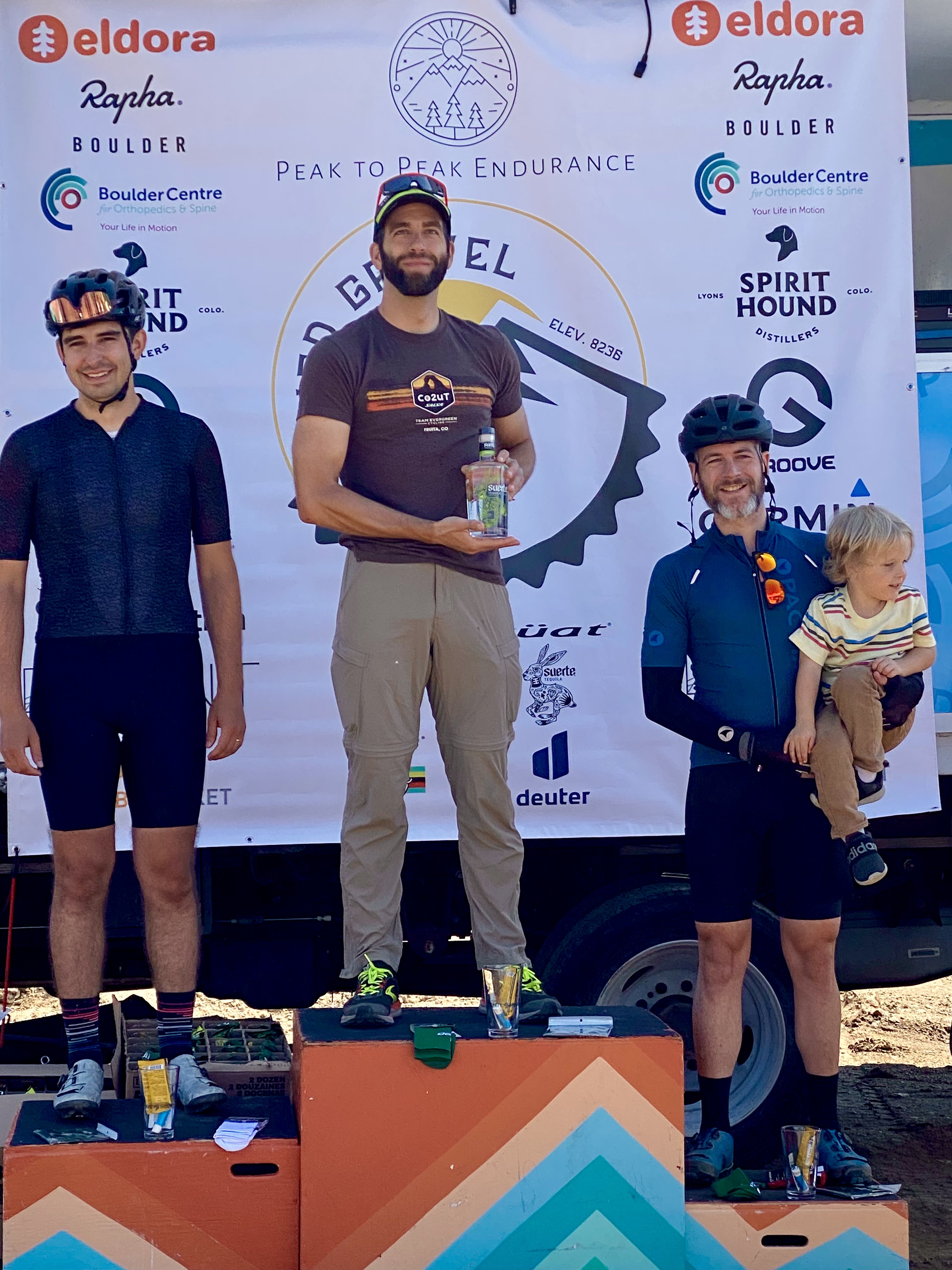
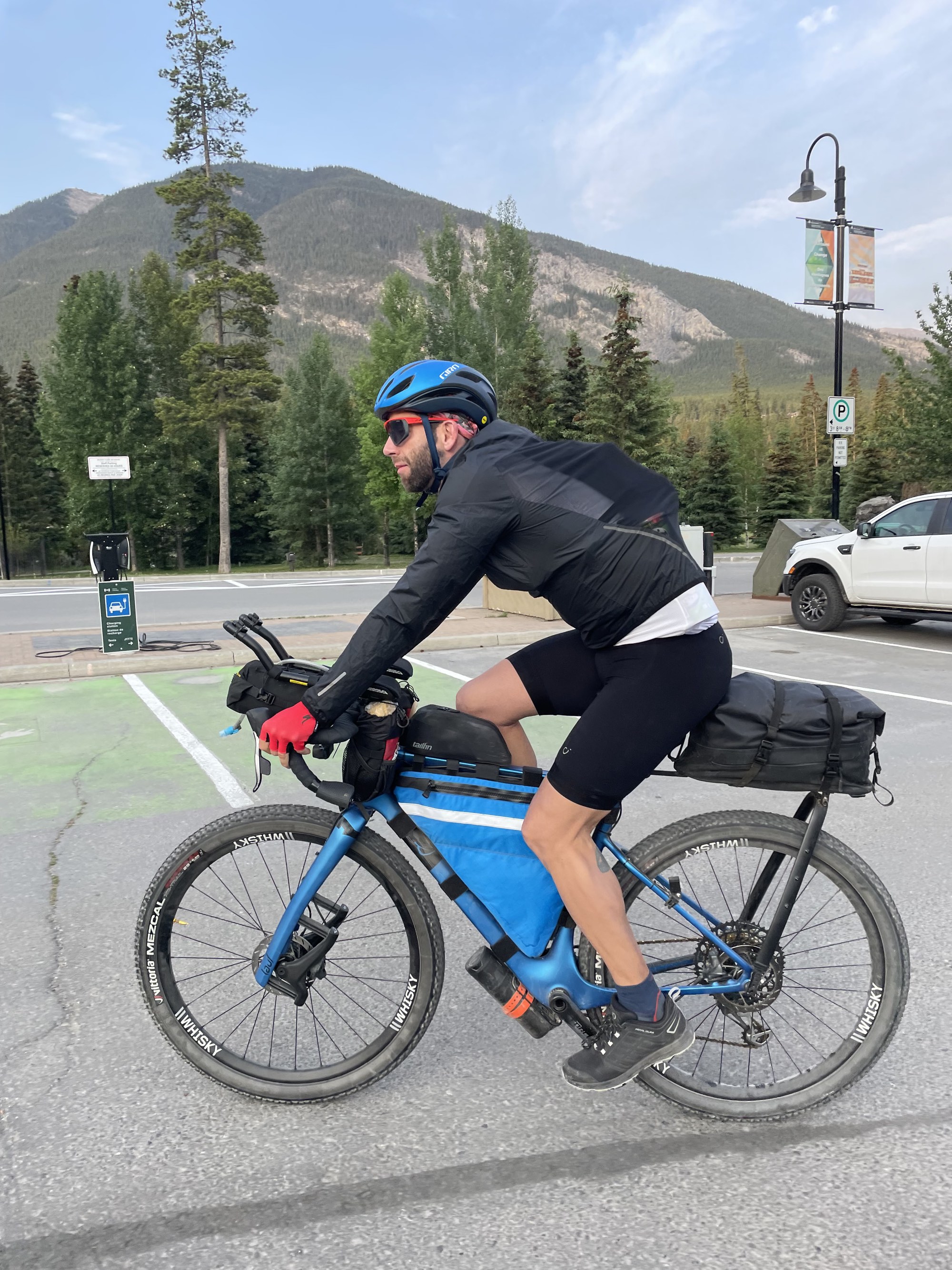
So now I coach myself with Tina as a sounding board. She uses a tool called WKO5 to help her analayze her athletes' training, so I have also been a little guinea pig for her when she wants to learn something new. "Hey, Paul, you should try this!" and off I go. Honestly, it has gone better than expected. I spend an average of 15 hours a week on the bike and I have become extremely fit, even for Boulder. While I tend to focus my training on ultra gravel distances (125 miler CO2UT or Tour Divide), I also have pretty solid power as well going by being in the top 30 this year for some well known Strava segments in the area. It's a nice feeling being one of only a few hundred people in the country who could roll off the couch and do Unbound XL with maybe a day of prep.
Could I be a bit better with a coach? Yes. But I am comfortable with my level of commitment to cycling right now. If I was going to get a coach again, I think it would be because I wanted to increase my time on the bike and had some grander goals. I like and enjoy cycling, but it is still just a hobby for me. I am serious about it, but I do not take it too seriously. If we switched sports again, I would be fairly indifferent. Too many things to try and explore to be pigeon-holed by a single sport.
TL;DR
If you are a fairly new cyclist, try a training plan or training group first. Expect some learning and challenges when starting out, but that is how we grow and just trust that good things are coming.
If you have at least a year of cycling experience under your belt and you want someone to keep you focused on achieving your cycling goals, get a coach. Interview at least 2-3 options to find a good fit.
If you have a few years of serious cycling training under your belt, are a focused and disciplined individual, and have a willingness to keep learning, you might consider coaching yourself.
If you are a professional cyclist or Olympian, get outta here you beautiful, sexy beast.